
Centralised Manufacturing Business Management
Customer orders, product records, production requirements, purchase transactions and inventory movements can be organised through related ERP workflows, giving departments a common structure.
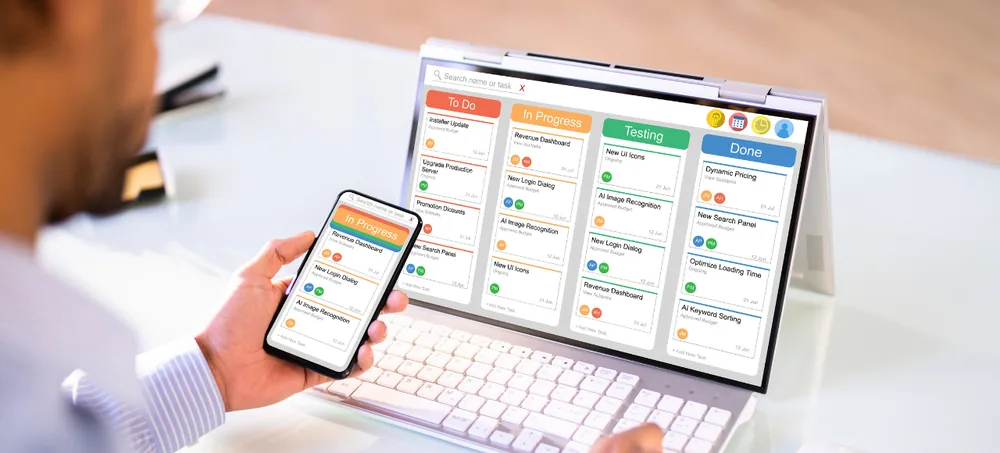
Connect Production Planning, BOM, MRP, Work Orders, Shop Floor Tracking, Quality, Procurement and Finance with ERPLax
Looking for manufacturing ERP software in Attibele to manage your factory operations, raw material inventory, production schedules and business processes? ERPLax provides a configurable cloud ERP platform for manufacturing companies, engineering workshops, fabrication units, component suppliers and industrial businesses in Attibele, Bangalore and the surrounding Hosur Road manufacturing corridor.
A single manufacturing order may require multiple components, different processing operations, subcontracted services and several approval stages. Whether your factory makes automotive components, electrical assemblies, industrial equipment, sheet metal products, plastic parts, fabricated structures or customised engineering products, ERPLax can be evaluated against your manufacturing requirements.
ERP Workflows for Connected Factory Operations
Tell us about your factory, products, BOM and production workflow. Our team will respond with a requirements-based walkthrough.
Manufacturing ERP software is an integrated business management system used to organise manufacturing operations and related commercial activities. It helps businesses connect product information, bills of materials, material planning, procurement, inventory, production orders, manufacturing activities, finished goods and finance.
A manufacturing company may receive orders for different products, each requiring particular components, processing stages and delivery dates. Production planners must determine what to manufacture and which jobs to prioritise, the purchase department must arrange materials not in stock, and shop floor teams must execute production and coordinate inspection.
Finished products must then be recorded and dispatched according to customer requirements. Manufacturing ERP provides a structured foundation for organising these processes through connected transactions.
ERPLax is developed by EchoPx Technologies and focuses on cloud ERP, configurable business workflows, integrated operational information and centralised business management.
For manufacturers in Attibele, an ERP implementation should go beyond maintaining stock records and creating invoices. Production teams need to understand what must be manufactured, purchasing teams need material requirements, stores departments need accurate stock transactions, and quality personnel need inspection records.
ERPLax offers a configurable SaaS platform for organising these connected activities according to the agreed implementation scope.
Attibele is part of the Bengaluru–Hosur industrial corridor, where engineering, automotive component, electronics, garment and other manufacturing activities create diverse ERP requirements. Core areas of operation include BOM, MRP, work orders, quality, job work, production costing and inventory.
Some companies make standard products for stock, others produce against confirmed customer orders, and engineering businesses may build customised products needing drawings, specialised components and multiple processing stages. ERPLax supports configuration and development within its SaaS platform according to the production stages, material structures, approvals and reports the business requires.
Accounting software is important for recording purchases, sales, expenses, receivables and payables. However, manufacturing companies need additional operational information: a production manager needs to know which materials are available and which work orders are incomplete, stores personnel need to record issues, returns and transfers, and quality teams may need to document accepted and rejected quantities.
Manufacturing ERP connects these activities with relevant business and financial transactions.
ERP, MRP and MES are related but serve different purposes. ERP connects manufacturing activity with broader business functions such as purchasing, inventory, sales and finance. MRP, or Material Requirement Planning, focuses on determining the materials needed to meet manufacturing demand. MES, or Manufacturing Execution System, typically provides more detailed execution information about shop floor processes, equipment and production activity.
A factory may need an integrated ERP with material planning and work order records without requiring advanced machine monitoring. Specialised MES, PLC, sensor or automated machine data integrations should be evaluated separately and should not be assumed to be included in ERPLax.
When planning, stores, purchasing and shop floor records sit in separate files, production decisions are made on partial information.
Manufacturing requires close coordination between planning, stores and purchasing. When each department maintains separate information, production may be scheduled without a consistent view of material availability.
Manufacturers may hold steel, plastics, chemicals, electronic components or packaging materials. Stock must reflect receipts, issues, returns, transfers and adjustments, and inconsistent recording makes available quantities difficult to verify.
Planners often prepare schedules using spreadsheets and departmental discussions. As jobs increase, priorities and work centre requirements become difficult to coordinate.
Manufactured products may contain several components and subassemblies. If BOM records are incomplete or kept in separate files, material estimates become inconsistent.
A production order may need materials that have not arrived or are already allocated to other jobs. Without connected demand and stock information, procurement may lack a clear view of upcoming requirements.
Supervisors need to know which jobs are pending, in progress or completed, and an order may involve machining, fabrication, assembly, testing and inspection. Manual updates make combined status hard to review.
Actual material usage can differ from planned quantities because of process variation, rejection, scrap or rework. If consumption is not associated with production orders, understanding the difference is difficult.
Factories may outsource machining, heat treatment, coating, printing or cutting. Materials sent to external vendors need to be reconciled with returned quantities and service charges.
Incoming materials, in-process components and finished goods may require inspection with accepted, rejected or rework outcomes. When records are disconnected from production, follow-up becomes complicated.
Manufacturing costs may include raw materials, labour allocations and outside processing. If recorded only at company level, managers lack useful job or product cost information.
Sales teams may accept orders without full visibility into material requirements or existing commitments, while planners need accurate order information.
Owners need information about pending production, purchasing, stock balances, quality findings, finished goods and receivables. Consolidating separate departmental reports takes repeated effort.
ERPLax provides a configurable SaaS ERP approach for connecting manufacturing, purchasing, inventory, sales and financial processes. The objective is a consistent flow of information from customer demand or production planning through material procurement, manufacturing execution and finished goods dispatch.
Customer orders, product records, production requirements, purchase transactions and inventory movements can be organised through related ERP workflows, giving departments a common structure.
A CNC machining company may need turning, milling and grinding stages, an automotive component maker batch production with inspection checkpoints, and an electronics assembler issue, assembly and testing records. ERPLax is configured to agreed production requirements.
Approved production demand can be associated with BOM information and material requirements, while purchasing workflows organise material requests, supplier quotations, purchase orders and goods receipts.
Production activity can be structured around manufacturing orders, job cards, processing stages and completion information, so progress can be reviewed against the defined workflow.
Quality-related records and job cost information can be associated with relevant manufacturing transactions where included in the implementation scope.
Manufacturing completion, finished inventory and customer dispatch are interdependent. An integrated ERP workflow helps establish consistent references for these processes.
Used this way, ERPLax works as manufacturing ERP software Attibele factories can configure, ERP software in Attibele for plant-wide records, manufacturing ERP in Bangalore for growing units, cloud ERP software for manufacturing and SaaS ERP software for factories, with factory management ERP software and manufacturing business management software workflows on one platform.
The following capabilities represent manufacturing workflows that can be evaluated for configuration or development in ERPLax. Final functionality depends on the selected modules, technical feasibility and agreed implementation scope.
Product masters hold consistent information about manufactured items, purchased components and raw materials, including item codes, descriptions, classifications, specifications and units.
A bill of materials identifies the components and quantities required to make a product. Some products need a simple BOM, others multiple subassemblies, reflecting the company's actual requirements.
MRP connects production demand with the components and materials needed. An MRP workflow can be evaluated for identifying requirements against stock and procurement information.
A sales order can establish the required product, quantity, delivery conditions and commercial terms for make-to-order production, with related production requirements organised through the agreed process.
A production order identifies what must be made, with product references, planned quantities, dates and associated manufacturing instructions.
Job cards can organise the operations associated with a manufacturing order, such as cutting, machining, welding, assembly, finishing or inspection, depending on the factory's processes.
Production planning organises demand according to priorities, material availability and required operations, with a configurable workflow for planned activities and work centre responsibilities.
Shop floor tracking records progress as orders move through defined operations, with status and quantity information maintained by employees or supervisors.
Factories may maintain raw materials, components, consumables and packaging. A configurable inventory workflow can organise receipts, issues, transfers, returns and stock balances.
Procurement may begin with requirements raised by stores, planning or production. A purchasing workflow can organise requests, supplier quotations, approvals and purchase orders.
Goods receipt records document items delivered by suppliers. A configured process can associate receipts with purchase orders and inspection information.
Work-in-progress covers material or products that have entered manufacturing but are not yet finished goods. A workflow can relate WIP quantities to work orders and operation stages.
Actual consumption can differ from planned BOM quantities. A workflow can record material issues, unused returns and relevant scrap or rejection categories.
Quality workflows may involve checking incoming materials, work-in-progress and finished products, with records for findings, accepted quantities, rejected quantities and approved dispositions.
A rework workflow can identify affected quantities, reasons and approved follow-up activities for products needing additional processing after inspection.
A subcontracting workflow can record material movement to external vendors, returned quantities and service charges for outsourced operations.
Costs may include materials, labour allocations, subcontracting and other expenses. Costing workflows can be considered for associating transactions with products, jobs or production orders.
Completed products may move into finished goods inventory or be prepared for dispatch. Warehouse workflows can organise receipts, stock transfers and outbound transactions.
A completed order may need to be dispatched against an approved sales order, with quantities, customer references and dispatch information recorded.
An ERP implementation can be evaluated for connecting purchasing, sales, expenses and financial reporting, with reports planned around production orders, stock, purchasing, costing and outstanding transactions.
Taken together, these workflows work as production planning ERP software, manufacturing inventory management software, production management software and manufacturing resource planning software, and they give bill of materials management software, manufacturing MRP software and shop floor tracking software one set of factory records to draw on.
A manufacturing ERP system becomes useful when each department works through a consistent, connected process.
Illustration: material packets rise from components through sub-assemblies to the finished product, showing how BOM, MRP and production order records connect. The exact workflow depends on the factory's processes and agreed ERP configuration.
Production demand begins with an approved customer order, forecast or internal stock requirement, with products, quantities and completion expectations documented.
Engineering or planning personnel review the product details and bill of materials, which establishes the planned components and quantities.
Planners compare manufacturing demand with existing material stock, and additional requirements are identified for procurement review.
Required materials are requested through the purchasing process, and procurement personnel review supplier information, costs and authorisation.
Approved purchase orders go to suppliers. When materials arrive, receiving personnel record quantities and inspection information.
The manufacturing department establishes the production order with the required item, quantity and production instructions.
Manufacturing stages are organised according to the factory's process, with responsibilities and operation references established.
Stores personnel issue required materials against production orders or jobs, and unused material and returns follow the configured inventory procedure.
Employees carry out machining, fabrication, assembly, processing or other operations, with progress recorded against the defined stages.
If operations are outsourced, materials go to external vendors, and outward movement, received quantities and charges are documented.
Inspection personnel review the product against the relevant criteria, and accepted, rejected and rework quantities are recorded where required.
Completed and accepted products are recorded through the appropriate inventory process.
Finished goods are prepared according to customer orders and dispatch requirements, and delivery transactions are documented.
Management reviews purchases, material consumption, production records, customer invoices and related expenses to support commercial decisions.
Connected production orders and material information help planners organise requirements more consistently.
Structured inventory records provide a common basis for reviewing stock balances and material movements.
Purchase requirements can be associated with approved production demand and supplier transactions.
Job card and work order records help supervisors review completed and pending activities.
Material issues, returns and scrap transactions can be related to the relevant manufacturing jobs.
Structured job work records help manufacturers track materials moving through outside processing.
Inspection and rework information can be associated with the relevant production activity.
Job-oriented records help management understand expenses recorded against specific manufacturing work.
Integrated ERP processes create opportunities to avoid entering the same information across unrelated systems.
Sales, purchasing, stores, production, quality and finance can work through connected records and clear responsibilities.
A common transaction structure provides a basis for reviewing manufacturing and financial information.
As production requirements change, additional workflows and reports can be evaluated within the SaaS configuration model.
Automotive component companies handle machining, forming, assembly and inspection, and can evaluate BOM management, material planning, production orders, batch information and quality-related records.
Turning, milling, drilling and grinding operations can be evaluated against ERP workflows for job cards, material issues, subcontracting and production costing.
Electronics and electrical equipment makers use purchased components, assemblies, testing procedures and finished product records, which a configurable ERP workflow can connect.
Fabrication units need raw steel inventory, cutting, welding, machining, assembly and job costing, organised around the relevant fabrication stages.
Plastic and rubber manufacturers manage raw materials, processing batches, finished products and scrap. Consumption and reporting requirements should be assessed against the actual process.
Equipment manufacturers combine fabricated components, machined parts, purchased items and final assembly, which a connected ERP process helps organise as product structures and work orders.
Packaging companies make cartons, printed materials or containers, with material planning, work order tracking and finished goods inventory requirements.
Garment manufacturers need fabric inventory, cutting, stitching, finishing and packing workflows, structured around the organisation's production stages and subcontracting model.
Pharmaceutical businesses have specialised documentation, quality and regulatory requirements. ERPLax suitability must be assessed against them, and industry-specific compliance capabilities should not be assumed without verification.
Contract manufacturers produce goods to customer specifications and may need job-based material records, production orders, subcontracting and commercial reporting.
From ERP software for engineering companies to industrial ERP software Bangalore plants rely on, ERPLax can be assessed against each factory's own products, routings and approval structure.
Attibele is part of the wider manufacturing belt connecting Bengaluru with Hosur, alongside Bommasandra, Jigani, Chandapura and Electronic City on Hosur Road. This makes the location relevant for businesses seeking manufacturing ERP software in Attibele, including manufacturers with suppliers, customers or related operations across the corridor.
Factories in Attibele Industrial Area can evaluate ERPLax for production planning, inventory, purchasing, work orders, costing and financial workflows. The configuration depends on products, processes and reporting needs.
Businesses along Hosur Road may need to coordinate material suppliers, production, outside processing and dispatch across locations. Connected records help keep purchasing and inventory transactions consistent.
Manufacturers in Bommasandra can evaluate workflows for product BOMs, material requirements, manufacturing orders, shop floor activity and quality inspection.
Engineering and industrial businesses in Jigani may require coordinated procurement, production planning, material consumption and management reporting.
Electronics, equipment and engineering manufacturers around Electronic City can evaluate ERP workflows for assembly, purchased components, production orders and finished goods.
Factories in Anekal and Chandapura may require connected manufacturing records for inventory, purchasing, production and dispatch.
Businesses with operations across the Karnataka–Tamil Nadu border can evaluate workflows for multiple locations and related inventory processes. State-specific taxation and invoicing requirements should be reviewed during implementation planning.
Whether you search for manufacturing ERP software Attibele buyers shortlist or a plant-wide system for several units, the evaluation begins with the same question: how does material actually move from supplier to shop floor to dispatch today?
A successful implementation should reflect how the factory actually operates.
Document customer orders, planning, procurement, inventory, production, inspection and dispatch, and identify duplicated records and unclear approval responsibilities.
Standardise product codes, raw material classifications, units of measurement and specifications, since accurate master data supports consistent transactions.
Determine whether products need simple or multi-level BOM structures, with component quantities, subassemblies and revision requirements.
Document the manufacturing stages used by the business, such as machining, cutting, fabrication, assembly or inspection.
Determine how production orders and job cards are created, assigned, updated and completed.
Identify who approves purchase requests, stock adjustments, production changes and commercial transactions.
Review stock balances, warehouses, item masters and outstanding transactions before migration.
Some businesses need connections with accounting software, machine monitoring applications, barcode systems or engineering tools. Each should be assessed for technical feasibility.
Testing should include material shortages, partial production, subcontracting, rejected quantities, rework, stock transfers and finished goods dispatch.
Sales, purchasing, stores, production, quality and finance personnel should be trained according to their responsibilities.
After implementation, assess whether transactions are recorded consistently and reports meet operational needs. Improvements can follow through the agreed SaaS configuration process.
Manufacturing ERP software pricing depends on the required modules, number of users, production complexity, implementation work and integration requirements. ERPLax is a cloud-only SaaS ERP platform offered through a subscription model.
Manufacturing, purchasing, inventory, sales, quality-related workflows and finance can involve different configuration requirements.
Production supervisors, planners, storekeepers, purchasing personnel, managers and accounts employees may need different access.
Products with multiple assemblies and material requirements may need more detailed data structures.
Job cards, production stages, subcontracting and inspection requirements affect the proposed scope.
Existing product records, inventory balances and open orders may require preparation.
Business-specific approval procedures, reports and production workflows may require additional development within the SaaS platform.
Connections with existing applications or specialised manufacturing systems require technical assessment.
Process mapping, configuration, testing and user training should be included in commercial planning.
The right manufacturing ERP software is the solution that appropriately supports the company's production and business processes. Buyers should evaluate how the system handles products, BOMs, material planning, inventory, work orders, production tracking and cost records.
A demonstration should use realistic manufacturing examples rather than relying only on a general feature list.
Request ERPLax Manufacturing ERP PricingERPLax provides a cloud ERP solution through a subscription model. The applicable workflows, modules and commercial arrangements are determined through the agreed implementation proposal.
Factories use different materials, product structures, work centres and stages. ERPLax supports configuration and development within its SaaS platform according to approved business requirements.
Manufacturing operations connect with purchasing, inventory, sales, warehouse management and finance, and ERPLax focuses on organising these through connected workflows.
Production demand, material requirements and stock transactions can be assessed as part of a connected manufacturing process.
Management reports can be planned around production orders, inventory, purchasing, quality-related records and costing.
Engineering companies, fabrication workshops and assembly businesses can evaluate different process structures according to their production models.
ERPLax is developed by EchoPx Technologies, with 19+ years of experience, 1500+ clients and 1700+ projects.
The solution can be planned around the factory's materials, products, BOMs, production stages, users, approvals, reporting and integration requirements.
For factories comparing manufacturing ERP for SMEs and manufacturing ERP software for small business needs, ERPLax is worth assessing as a configurable platform that keeps BOM, stock and production orders in one place.
Manufacturing ERP software is an integrated business management solution that connects production planning, material requirements, purchasing, inventory, work orders, finished goods and relevant financial processes.
ERPLax can be evaluated by manufacturing companies in Attibele for configurable production, procurement, inventory and business management workflows. Suitability depends on the company's operational requirements.
BOM requirements can be evaluated for maintaining component lists, quantities and product structures within the agreed manufacturing workflow.
Material planning processes can be assessed for connecting production demand with relevant inventory and procurement information.
Work order and job card workflows can be configured according to the factory's manufacturing operations and reporting requirements.
Shop floor tracking requirements can be evaluated for recording production stages, status information and completed quantities.
Inventory workflows can be configured around receipts, issues, transfers, returns and stock records for raw materials and components.
Subcontracting processes can be assessed for materials sent to external vendors, returned quantities and related service transactions.
Quality-related workflows can be evaluated for incoming inspection, production checks, rejected quantities and follow-up actions.
Costing requirements can be assessed for associating material, subcontracting and other expense records with products, jobs or production orders.
Yes. ERPLax is a cloud-only SaaS ERP platform offered through a subscription model.
ERPLax supports configuration and development within the SaaS platform according to agreed business requirements. The feasibility and commercial scope of specific changes should be confirmed.
Pricing depends on selected modules, users, production workflow complexity, integrations, data migration and implementation services. A requirements-based proposal can be requested.
The implementation schedule depends on the factory's processes, data readiness, configuration, integrations, testing and employee training. A realistic timeline should be agreed after requirements assessment.
Integration requirements can be evaluated according to the external application, available interfaces and required data exchange. Specific integrations should be confirmed before implementation.
Multiple factory or warehouse requirements can be evaluated for configuration according to the company's operational structure.
Small and medium manufacturers can evaluate ERPLax according to their production processes, user requirements and budget.
A configured work order and production reporting process provides a more structured basis for reviewing manufacturing progress. The usefulness of the information depends on consistent data recording.
Rejection and rework requirements can be evaluated within the relevant quality and manufacturing workflows.
Inventory, finished goods and dispatch workflows can be assessed for connecting manufacturing completion with customer order fulfilment.
Automatic machine data capture should not be assumed to be included. PLC, sensor, IoT and specialised manufacturing execution system integrations require separate technical assessment.
Applicable invoicing and GST-related requirements can be reviewed within the relevant finance scope. Specific statutory capabilities and compliance obligations must be verified during implementation planning.
Automotive component businesses can evaluate ERPLax for production orders, BOMs, inventory, quality-related records and manufacturing reporting. Industry-specific customer and quality obligations need separate review.
Electronics manufacturers can evaluate ERP workflows for component management, assembly, production orders, inspection and inventory. Specialised testing and equipment integrations should be reviewed separately.
Production planning and scheduling requirements can be evaluated according to the factory's work orders, operations and resource planning methods.
Multi-level BOM requirements can be assessed for relevant subassemblies and component structures. The final functionality depends on the agreed scope.
Material issues, returns and scrap transaction requirements can be evaluated for configuration within the manufacturing and inventory workflows.
No. ERP organises operational information and supports defined workflows. Manufacturing decisions, technical supervision and production execution remain the responsibility of the business.
The business should prepare sample BOMs, product records, purchase orders, production job cards, inventory reports, quality records and current management reports. These examples help make the evaluation relevant.
Use the request form on this page, or visit erplax.com, to discuss manufacturing ERP requirements, request a demonstration and obtain a SaaS subscription proposal.
Connect BOM, MRP, Production Planning, Inventory, Quality, Job Work, Costing and Finance
Managing a manufacturing business requires coordination between customer demand, purchasing, stores, production, quality and finance. Every purchase order, material issue, job card, inspection record and finished goods transaction contributes to the information needed to manage factory operations.
When these records are maintained separately, employees may spend additional time reconciling information and following up between departments. ERPLax provides a configurable SaaS ERP platform for factories seeking centralised business management and integrated manufacturing processes.
Whether your company operates in Attibele Industrial Area, Bommasandra, Jigani, Electronic City, Anekal, Chandapura or the wider Bengaluru–Hosur industrial corridor, ERPLax can be evaluated according to your manufacturing requirements.
Discuss your factory processes, production stages and business management requirements.
Request a Free DemoRequest a SaaS subscription proposal based on your modules, users and implementation scope.
Get ERP PricingShare your requirements for production planning, BOM, MRP, work orders, inventory, subcontracting, quality inspection and reporting.
Discuss RequirementsSpecialized Applications
Purpose-built & ready to deploy. Hover to explore, click to learn more.
Testimonials
Real stories from businesses running their operations on ERPLax.
ERPLax gave us real-time visibility into stock across three warehouses. Wastage dropped and our fulfillment time improved almost overnight.
GST e-invoicing used to eat up two days every month. With ERPLax's accounting module it's now automatic and our filings are always on time.
Billing at our stores used to take a minute per customer. ERPLax's POS module cut that to under 15 seconds, even during peak festival rush.
Payroll for 200+ employees across two branches used to take our HR team a full week. ERPLax's HRM module now runs it in a single afternoon.
Tracking batch numbers and expiry across our distribution network was a nightmare on spreadsheets. ERPLax's inventory module made it effortless.
Front desk, housekeeping and billing are now all on one screen. ERPLax's hotel management module has made check-in day a breeze for our staff.
Fee collection, attendance and report cards used to live in three different tools. ERPLax brought it all into one dashboard our staff actually enjoys using.
Tracking material costs and site progress across four active sites was chaos before ERPLax. Now our project managers update status from their phones daily.
Our online store orders now sync straight into inventory and accounting — no more manual entry, no more overselling out-of-stock items.
Our sales team can now see every lead's history and follow-ups in one place. Deal closures are faster and nothing falls through the cracks anymore.
ERPLax gave us real-time visibility into stock across three warehouses. Wastage dropped and our fulfillment time improved almost overnight.
GST e-invoicing used to eat up two days every month. With ERPLax's accounting module it's now automatic and our filings are always on time.
Billing at our stores used to take a minute per customer. ERPLax's POS module cut that to under 15 seconds, even during peak festival rush.
Payroll for 200+ employees across two branches used to take our HR team a full week. ERPLax's HRM module now runs it in a single afternoon.
Front desk, housekeeping and billing are now all on one screen. ERPLax's hotel management module has made check-in day a breeze for our staff.
Fee collection, attendance and report cards used to live in three different tools. ERPLax brought it all into one dashboard our staff actually enjoys using.
Tracking material costs and site progress across four active sites was chaos before ERPLax. Now our project managers update status from their phones daily.
Our online store orders now sync straight into inventory and accounting — no more manual entry, no more overselling out-of-stock items.
Our sales team can now see every lead's history and follow-ups in one place. Deal closures are faster and nothing falls through the cracks anymore.