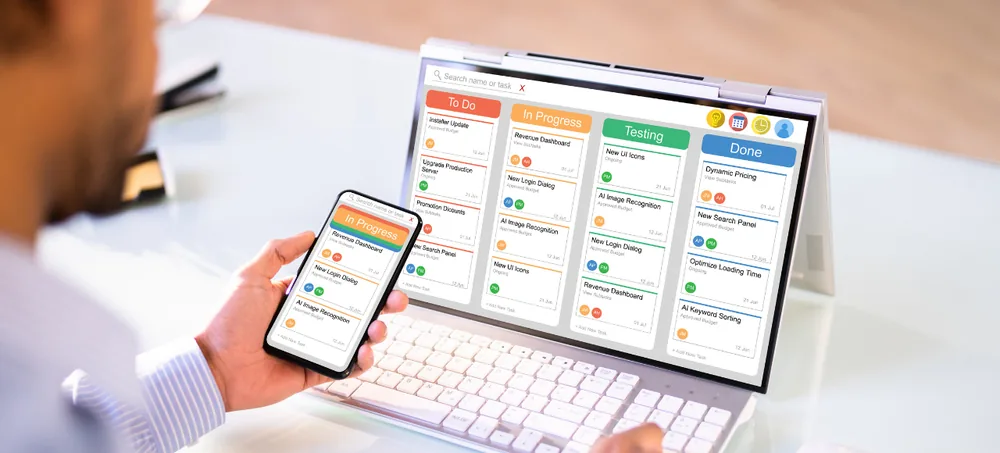
ERPLax Pumps and Valves ERP Software in Bangalore provides a configurable cloud ERP platform for organizing the manufacturing and business processes relevant to pump and valve companies. ERPLax can support customer enquiries, quotations, sales orders, item and component records, bills of materials, inventory transactions, purchase approvals, supplier orders, manufacturing work orders, job cards, planned work-center assignments, subcontracting, assembly administration, inspection references, job costing, finished goods, invoicing and management reporting. A pump or valve order can remain associated with its customer requirement, approved drawings, component requirements, material purchases, machining jobs, assembly activities, recorded inspections and financial transactions, whether you manufacture centrifugal pumps, submersible pumps, hydraulic pumps, water pumps, industrial valves, pump components or customized fluid-handling machinery. For manufacturers requiring automatic hydraulic engineering calculations, detailed flow and pressure simulations, live test-bench data collection, machine controller integration or advanced finite-capacity scheduling, the necessary capabilities should be assessed separately. Developed by EchoPx Technologies, ERPLax is delivered exclusively through a cloud-only SaaS ERP subscription model.
ERPLax is developed by EchoPx Technologies, bringing experience in ERP applications, business software and configurable workflow development. For pump and valve manufacturers, the focus is on connecting customer demand with material inventory, production work orders, supplier purchasing, assembly, inspection, costing and finance. The relevant ERP processes can be configured according to the company's product types, machining operations, engineering requirements, assembly structures and reporting procedures.
Pump and valve manufacturing can involve engineered-to-order products, repeat production components, complex assemblies and purchased equipment. A manufacturer may machine casings and impellers in-house while sourcing seals, motors or actuators from external suppliers, while another business may specialize in valves and a third may focus on assembly and testing. These differences require flexible administration across manufacturing, procurement and inventory.
Estimates may involve castings, forgings, steel, machined components, seals, bearings, motors, actuators, assembly, testing and packaging, and when quotation data remains in separate spreadsheets, reviewing changes and relating estimates to production costs becomes harder.
Pumps and valves may be produced using cast iron, stainless steel, bronze or other appropriate materials, and material selection influences components, processing and costs, while different dimensions, ratings and arrangements also require clear product records.
A completed pump may contain manufactured subassemblies, purchased components and consumables, and a valve may have a separate body, bonnet, disc, seat and actuator structure, so without a suitable BOM it can be difficult to coordinate what must be manufactured and what must be purchased.
Pump and valve companies may stock castings, forgings, steel bars, stainless steel, bronze and other materials, and different items require appropriate stock classifications, dimensions, units and supplier information.
A pump casing and impeller may be ready, but assembly can still require bearings, seals or a motor, and a valve may be awaiting the correct stem, seat or actuator, with components awaiting machining, inspection, finishing, assembly or testing needing consistent progress records.
Turning, milling, drilling, boring and other machining equipment may serve multiple manufacturing orders, and production planners need relevant work-center assignments, material information and planned dates.
Foundry castings, heat treatment, coating, machining, surface finishing or specialist inspection may be outsourced, and supplier transactions and associated component movements need to remain connected with production jobs.
Some pump products require impellers, shafts and other rotating components with specific manufacturing and inspection requirements, and these parts may have separate manufacturing work orders before final assembly.
Valves may involve different bodies, bonnets, internal parts, sealing elements and actuation systems, and suitable product and component records are needed to distinguish configurations.
Pump manufacturers may need flow, head, pressure, leakage or other tests, and valve manufacturers may need pressure, leakage, seat tightness or functional testing, while some customer orders also require material heat, casting batch, manufacturing lot or finished equipment identifiers to be defined clearly before implementation.
Pump and valve manufacturers may also sell spares or perform repairs, and these activities require suitable inventory, purchasing, job and billing records.
Material purchases, component machining, assembly, subcontracting and testing expenses may be recorded independently, and completed products proceed through inspection, finished-goods inventory, packing, dispatch and invoicing, so without appropriate job references managers may need to reconcile them manually.
Pumps and valves ERP software is an enterprise resource planning solution used to manage the commercial and manufacturing administration of companies producing centrifugal pumps, submersible pumps, hydraulic pumps, water pumps, industrial valves and related components. It connects enquiries, quotations, sales orders, product and component records, purchasing, inventory, production work orders, subcontracting, assembly, quality, costing, warehouse administration and finance.
General manufacturing ERP supports sales, purchasing, inventory, production and finance. Pump manufacturers may additionally need model and material variants, impeller and casing BOMs, machining operations, assembly records, motor and seal inventory, test references and spare-part administration, identified during implementation.
Valve manufacturers may need distinct records for bodies, bonnets, stems, discs, seats, seals, actuators and other components, with manufacturing routes that include machining, finishing, assembly and pressure testing; the ERP workflow should reflect the actual valve type and manufacturing procedure.
Hydraulic engineering applications may perform pump selection, performance or fluid system calculations, and specialist testing systems may collect flow, head, pressure, leakage or temperature information. ERP manages the associated commercial, inventory, production, purchasing and financial processes; automatic engineering calculations and test-bench data collection require separate development or integration.
MES applications may capture detailed machine events, operator activities and process measurements. ERP connects manufacturing administration to customer orders, stock, supplier purchasing and accounting; direct equipment data collection requires compatible interfaces and an agreed technical scope.
ERPLax provides a configurable cloud-only SaaS ERP foundation. A centrifugal pump manufacturer may need quotations, component BOMs, machining jobs, assembly and performance-test references; a valve manufacturer may need precision component inventory, machining, inspection and finished assembly administration; and a submersible pump manufacturer may need motor and component planning, multi-level BOMs, assembly and testing. The appropriate workflow and technical scope can be established during requirements assessment.
ERPLax provides a configurable SaaS ERP foundation for pump and valve manufacturers, connecting the relevant commercial, material, production and financial workflows a pump or valve business depends on.
Quotations often require material, component and manufacturing cost references, and configurable workflows can organize these inputs and relevant commercial terms from estimate through sales-order association.
Configurable enquiry and customer records can contain appropriate technical reference fields such as flow, head, operating conditions, valve type, size, connection and actuation method.
Configurable product master records and attributes let the business establish how variants are identified, priced, purchased and manufactured across casing materials, impellers, seals, motors or valve bodies, sizes, seats and actuators.
Configurable component and assembly BOM records can define which components are manufactured internally, purchased, stocked as subassemblies or consumed during final assembly.
Configurable engineering references, revision identifiers and approval workflows let the company define how approved changes influence BOMs, purchase orders and active production work.
Configurable item records, goods receipts, stock issues, transfers and inventory reporting can distinguish grade, material form, dimensions, supplier, stock location and relevant heat or lot references.
Appropriate item, supplier, purchase and stock information can be maintained for bought-out bearings, mechanical seals, electric motors, couplings, fasteners, seats, packing and actuators.
Configurable material planning and purchasing workflows let planning employees review component requirements against recorded inventory and pending supplier orders before raising requisitions.
Job cards communicating the item, drawing reference, materials, planned operations and quantities can be configured, with supervisors maintaining relevant work-order progress information.
Configurable planned dates, work-center references and manufacturing stages let a production planner organize jobs according to material availability and operational priorities.
Relevant manufacturing activities such as turning shafts, boring casings, milling valve bodies, drilling flanges or threading connections can be represented through configured work orders.
Applicable manufacturing stages and outside processing records can support treatment, coating, polishing or lapping, with suitable purchasing and stock movements associated with the production job.
Configurable inspection records and relevant production associations can support incoming material inspections, machined component checks, assembly review and final product testing, including batch, heat and serial reference administration.
Configurable issue categories, affected quantities, rework references and inventory adjustments support reviewing and valuing nonconforming castings, shafts, impellers or valve components.
Job references connected with inventory, supplier and financial transactions let managers evaluate recorded expenses according to their selected costing methodology.
Configurable supplier purchasing and relevant stock movement records keep purchased casting, machining, balancing, coating, treatment and inspection services associated with applicable manufacturing or procurement references.
Suitable spare-parts inventory, service quotations, repair jobs and financial transactions can be evaluated for pump and valve service businesses.
Configurable inventory and warehouse movements can identify finished pumps and valves by product model, configuration, packing unit, stock location and relevant lot or equipment reference.
Configurable purchase requisitions, approvals, supplier orders and goods receipts connect with sales invoices, supplier charges and payment records, with applicable GST-related invoice fields configured per Indian accounting requirements.
Configurable reporting based on captured transactions can cover quotations, open orders, raw material stock, component availability, active work orders, assembly, quality, purchases and invoices.
Pump and valve manufacturing routes differ by product type. A centrifugal pump manufacturer may machine casings and impellers before assembly, while a valve manufacturer may machine bodies and bonnets and focus on assembly and pressure testing. ERPLax can be configured around the relevant manufacturing and business steps.
The customer provides the pump or valve type, model or application requirements, quantity and commercial expectations, and relevant technical information is maintained with the enquiry.
The estimator reviews component materials, manufacturing processes, outside services and other relevant costs, and the proposal follows the company's pricing and approval procedure.
The approved quotation provides the commercial reference for manufacturing.
The production team identifies the correct product variant, drawings and required components.
Stores and planning employees review available raw materials, purchased parts and semi-finished components.
Material shortages and supplier processing requirements proceed through purchasing approvals and orders.
Separate jobs are prepared for the relevant machined components or equipment assemblies, with production dates and operations planned according to the company's manufacturing procedures.
The appropriate stock is issued to manufacturing.
Applicable turning, milling, boring, drilling, finishing or other machining operations are completed.
Purchased processing services and material movements are recorded where relevant.
Quality personnel carry out the applicable inspections and maintain appropriate review information.
Accepted components and bought-out items are combined through the relevant assembly job.
The manufacturer performs tests according to its technical specification and acceptance procedure, and items needing correction or rejection follow the approved quality and inventory procedure.
Accepted pumps or valves are recorded in the appropriate stock location.
The company completes the relevant customer fulfillment transactions.
The applicable commercial and financial records are maintained, and management examines the recorded materials, purchasing, subcontracting and job expenses available in ERP.
Centrifugal pump manufacturers often combine casting-based machining with purchased components and final pump assembly. ERPLax can be configured to support relevant centrifugal pump manufacturing and business administration.
Maintain appropriate model, material, configuration and customer references.
Organize the necessary casing, impeller, shaft, bearings, seals, coupling, motor and accessories.
Record suitable castings, steel and bought-out part transactions.
Configure relevant work orders for casings, impellers and shafts.
Connect manufactured and purchased components through appropriate assembly jobs.
Maintain relevant flow, head, pressure or other test references according to the manufacturer's procedures.
Review appropriate material, processing and financial transactions.
Connect accepted pumps with warehouse, packing and dispatch.
ERPLax can be evaluated as centrifugal pump ERP software in Bangalore, while automatic engineering calculations, live test-bench integration and specialized machining analytics require separate functionality.
Submersible pump companies may manufacture casings, impellers and shafts while purchasing motors and electrical components. The required manufacturing processes depend on the pump design.
Maintain relevant model, material, configuration and customer references.
Organize suitable purchased or manufactured electrical component records.
Connect the required casings, impellers, shafts, seals and accessories.
Configure relevant component machining and assembly stages.
Manage appropriate supplier orders and goods receipts.
Maintain suitable electrical, hydraulic or functional test references where required.
Review material, purchasing and assembly expenses according to the defined method.
Connect finished stock, customer orders and invoices.
Direct motor efficiency measurement, flow testing and automated calibration require specialized equipment integration.
Hydraulic pump manufacturing may require precision machining, purchased seals and bearings, assembly and functional inspection.
Maintain suitable equipment and product identifiers.
Record appropriate stock and supplier transactions.
Configure turning, milling, drilling, finishing and inspection stages.
Manage purchased seals, bearings and other items.
Maintain appropriate component and production records.
Associate relevant test references with completed pump jobs.
Review suitable material, processing and finance records.
Connect accepted finished pumps with sales and warehouse transactions.
ERPLax can support configurable hydraulic pump manufacturing administration. Automatic flow characteristics, calibration and electronic test instrument integration require separate assessment.
Water pump manufacturers may produce customer-specific assemblies using cast casings, impellers, shafts, purchased motors and accessories.
Maintain model, type, material and commercial identifiers.
Organize relevant casings, impellers, shafts and other inputs.
Connect suitable motor requirements with supplier stock and purchasing.
Maintain planned work orders, processing stages and assembly jobs.
Record applicable quality and functional review information.
Manage appropriate finished-product stock and dispatch.
Review relevant materials and manufacturing expenses.
Connect sales, fulfillment and billing processes.
Advanced hydraulic performance simulation, control integration and automated test-bench reporting require separate technical scope.
Industrial valve manufacturing can involve fabricated or cast bodies, precision components, bought-out actuators, assembly and final testing, with distinct engineering and commercial requirements for each custom order.
Maintain relevant valve type, size, material, end connection and actuation references.
Configure suitable body, bonnet, disc, stem, seat, gland, fastener and actuator structures.
Represent relevant machining, drilling, boring and finishing operations.
Connect required castings, seals, actuators and other bought-out parts with supplier transactions.
Configure the applicable valve assembly process.
Maintain relevant inspection and review references.
Associate appropriate inventory, supplier and finance transactions with manufacturing jobs.
Connect accepted valves with customer order fulfillment.
ERPLax can be evaluated as industrial valve manufacturing ERP software in Bangalore. Specialist machine control, pressure-vessel engineering and automated load-testing calculations remain separate technical requirements.
Some pump and valve businesses manufacture a combination of casings, impellers, shafts, bodies and bonnets, while other companies purchase most components and focus on system assembly. ERPLax can be configured for the applicable business model.
Maintain suitable casting inventory, machining work orders and dimensional inspections.
Configure relevant manufacturing, balancing administration and stock transactions.
Organize raw steel, turning, grinding and quality records.
Maintain appropriate purchased casting and machining workflows.
Configure relevant precision machining and finishing stages.
Manage suitable purchased or manufactured item records.
Maintain appropriate reported stages and production quantities.
Associate materials, supplier services and financial transactions with customer orders.
The implementation should reflect actual pump and valve manufacturing and assembly operations rather than treating all product types as identical.
Pump and valve manufacturers serving industrial machinery, automation, construction equipment and engineering businesses may need connected manufacturing and financial administration across Bengaluru.
Manufacturers in Peenya can evaluate raw material inventory, component machining, production work orders, supplier purchasing, assembly, costing and billing.
Centrifugal and submersible pump businesses in Jigani may require component BOMs, purchasing, production planning, inspection and warehouse records.
Industrial valve manufacturers in Bommasandra can evaluate casting inventory, machining, assembly, pressure-test administration and finance.
Equipment manufacturers supplying engineering and automation businesses around Electronic City can assess product, component, production and commercial workflows.
Machining and valve component workshops can prioritize quotations, work orders, inventory, subcontracting and invoicing.
Pump manufacturers, service companies and equipment suppliers can evaluate spare-parts stock, customer orders, purchasing and finance.
Water pump and industrial equipment manufacturers can assess appropriate manufacturing, warehouse and billing processes.
Organizations operating separate casting, machining, assembly, testing or warehouse locations can evaluate suitable inventory, business and reporting structures.
The relevant processes can be configured within the ERPLax cloud SaaS platform according to the agreed location and process requirements.
Pump and valve manufacturing costs can involve manufactured components, purchased parts, outside services, assembly and testing. A consistent costing method should define how those expenses are associated with the finished equipment or customer project.
Cast iron, steel, stainless steel, bronze, forgings and other inputs can be administered through relevant purchasing and inventory transactions.
Impeller, shaft and valve body/bonnet machining and finishing costs may be associated with component work orders according to the selected costing method.
Bearings, mechanical seals, motors, couplings, actuators, fasteners and other bought-out items may contribute to equipment expenses.
Treatment, coating, painting and other purchased services can be recorded through suitable supplier transactions.
The manufacturer should define how assembly labor and applicable work-center expenses are represented.
Relevant testing services and associated expenses can be considered.
Rejected materials, recoverable scrap, corrective processing and applicable packaging expenses should follow defined inventory and costing procedures.
ERPLax can support relevant comparisons using quotations and recorded inventory, purchasing and financial transactions, with model and material-based variants reflected in the product's own cost identifiers.
Automatic engineering-based estimates, detailed component cost rollups and machine-hour variance calculations require appropriate data and separately agreed rules.
Pump and valve quality requirements depend on the product design, operating conditions and customer specifications. ERP can maintain relevant records, but physical inspection, appropriate testing and engineering acceptance remain the manufacturer's responsibility.
Relevant casting, steel, component, supplier and batch information can be associated with receiving reviews.
Casings, impellers and shafts may require relevant dimensional, material or surface checks, with balancing administration associated where applicable.
Bodies, bonnets, stems, seats and other parts may require suitable manufacturing and inspection records.
Depending on product requirements, tests may involve flow, head, pressure, vibration or hydrostatic pressure, with appropriate results maintained within the configured quality process.
Relevant leakage and functional inspection information can be maintained against appropriate valve jobs.
Completed pumps and valves can be associated with suitable review and acceptance records.
The company can define which material heat numbers, casting batches, finished-product identifiers and shipment references need to remain connected with manufacturing.
Rejected or affected components can follow defined corrective, inventory and quality procedures; pump test benches, pressure sensors, flow meters, leakage testers, balancing machines, CMM devices and electronic gauges require compatible interfaces for automated data collection.
Flow meters, pressure sensors, test benches, balancing machines, CMM equipment, electronic gauges and machine controllers require compatible interfaces for automatic data capture. Comprehensive equipment genealogy and automatic test certification must be explicitly designed rather than assumed as standard ERP functionality.
Businesses researching pumps and valves ERP software in Bangalore often also search for pumps and valves ERP software Bangalore, pump manufacturing ERP software Bangalore, valve manufacturing ERP software Bangalore, pumps ERP software Bangalore, valves ERP software Bangalore, pump and valve management software Bangalore, ERP for pump manufacturers Bangalore, ERP for valve manufacturers Bangalore, pumps and valves ERP solutions Bangalore and cloud based pump ERP software Bangalore - ERPLax can be evaluated for a connected, configurable approach across each of these requirements.
Many pump and valve manufacturers also search for the best pumps and valves ERP software in Bangalore, cloud based pump and valve manufacturing ERP Bengaluru, centrifugal pump manufacturing ERP with BOM and costing, submersible pump production planning software Bangalore, hydraulic pump manufacturing ERP with component inventory, water pump manufacturing management software Bangalore, industrial valve manufacturing ERP with machining work orders, pump manufacturing ERP with impeller and casing inventory, pump assembly management software with motor and seal stock, valve ERP with body, bonnet, stem and actuator BOMs, pumps and valves ERP with pressure testing and inspection records, pump production scheduling and work order software Bangalore, valve manufacturing production tracking software Bangalore, pump quotation and cost estimation software Bengaluru, valve manufacturing job costing software Bangalore, pumps and valves ERP with foundry casting and subcontracting, pump factory management software in Peenya Bangalore, valve manufacturing ERP for Jigani and Bommasandra, custom pumps and valves ERP development within SaaS and pumps and valves ERP with purchasing, GST billing and finance - ERPLax is built to address each of these scenarios through configuration.
Day-to-day pump and valve factory administration also depends on reliable records across centrifugal pump, submersible pump, hydraulic pump, water pump, industrial pumps, positive displacement pumps, pump casing, impeller, shaft, bearings, mechanical seal, gland packing, wear ring, coupling, motor, baseplate, diffuser, bowl assembly, valve body, bonnet, disc, seat, stem, ball, gate, butterfly valve, globe valve, check valve, control valve, actuator, gearbox operator, steel casting, ductile iron, stainless steel, bronze, material of construction, bill of materials, multilevel BOM, CNC turning, milling, drilling, boring, impeller balancing, surface finishing, hydrostatic testing, leakage testing, performance testing, manufacturing routing, work order, job card, quality inspection, subcontracting, production scheduling, job costing and warehouse management - all addressed within the ERPLax cloud pumps and valves ERP platform.
Whether you are comparing pumps and valves ERP Bangalore options, pump manufacturing ERP Bengaluru providers, centrifugal pump ERP Peenya options, submersible pump ERP Jigani providers, valve manufacturing ERP Bommasandra options, industrial pump ERP Electronic City providers, hydraulic pump ERP Rajajinagar providers, valve factory management Yeshwanthpur providers, water pump ERP Tumkur Road options or pumps and valves ERP Karnataka options, the ERPLax team can walk through the relevant modules and configuration for your business.
Connect customer orders, procurement, materials, manufacturing, inspection, assembly and finance through relevant ERP workflows.
Maintain suitable pump and valve models, configurations, materials and component references.
Record relevant casting, forging, steel and purchased-component transactions.
Configure machining, finishing, assembly and inspection stages with appropriate planned dates, and review the production progress recorded against active work orders.
Supplier requirements and purchase approvals can remain related to manufacturing and stock information.
Connect manufactured and purchased parts with pump or valve assembly requirements.
Relevant inventory, purchasing and financial records can support cost reviews.
Associate appropriate inspections and testing information with manufactured equipment.
Outside casting, machining, coating or finishing activities can follow supplier and material movement workflows.
Evaluate suitable repair, spare-parts and related commercial processes where applicable.
Maintain finished-product stock and connect accepted equipment with customer fulfillment.
Review applicable invoices, supplier transactions, payables, receivables and management reports.
These benefits depend on the agreed configuration, accurate transactions and consistent operating procedures.
May need casing and impeller manufacturing, shafts, purchased components, assembly, performance testing and job costing.
Can evaluate motor components, pump assemblies, raw materials, inspection, stock and finance.
May require precision machining, purchased components, assembly and quality administration.
Can evaluate model variants, manufacturing, motor procurement, packing and distribution.
Can assess customer-specific materials, component structures, production routing, purchased items, machining, assembly and inspection references.
May need casting procurement, body machining, internal components, assembly and pressure-test administration.
Can evaluate suitable body, ball, stem, seat, seal and actuation records.
May require product-specific component structures, manufacturing operations, inspection procedures and assembly processes.
May have additional configuration, actuation and testing requirements that should be assessed separately.
Can prioritize machining work orders, material inventory, subcontracting, quality and customer delivery.
May need appropriate inspection, repair, spare-parts purchasing, job costing and billing workflows.
Can evaluate purchased finished-goods inventory, product variants, warehouses, customer orders and finance.
The best pumps and valves ERP software depends on the products manufactured, component structures, machining processes, purchasing requirements, inspection and costing methods. A centrifugal pump manufacturer has different operational needs from a submersible pump assembler or an industrial valve manufacturer.
Determine how customer specifications, component options and commercial estimates will be maintained.
Review pump models, material of construction, sizes, seal arrangements, motor options, valve types and actuation configurations.
Determine which products require standard BOMs, subassemblies or more detailed component relationships.
Review casting stock, steel grades, purchased parts, warehouse locations and units of measurement.
Clarify how machining, treatment, coating, assembly and inspection will be represented.
Determine whether planned work-center assignments are sufficient or advanced automatic capacity scheduling is required.
Assess material requests, purchase approvals, goods receipts and outsourced processing.
Identify how the business will review bearings, seals, motors, actuators and other items needed for assembly.
Define the applicable pump performance, valve leakage and pressure-test records.
Determine whether basic heat and batch references are sufficient or detailed finished-product genealogy is necessary.
Establish how material, machining, purchased components, assembly, subcontracting, rework and overhead are allocated.
Identify the workflows needed for replacement components, repair jobs and customer invoices.
CNC machines, balancing equipment, test benches, gauges and external applications may require specialist interfaces.
Evaluate invoices, supplier charges, payment records and applicable reporting requirements.
Clarify selected modules, user roles, locations, configuration, integrations, testing and employee training.
Use a representative pump or valve order to review the process from quotation and procurement through manufacturing, assembly, testing, dispatch and invoicing.
ERPLax follows a cloud-only SaaS ERP subscription model. The proposed scope depends on the manufacturer's workflows, number of users, product types, configuration and integration requirements.
Sales, purchasing, inventory, manufacturing, quality, costing, finance and reporting influence configuration.
Estimators, planners, machinists, assembly personnel, stores employees, quality inspectors, purchasers and accounts employees may need different workflows.
Model variants, material alternatives, component structures and custom configurations affect master data and BOM requirements.
Casing machining, impeller production, valve body machining, assembly, finishing and testing may require distinct production stages.
Material costs, purchased parts, subcontracting, machine time, scrap and overhead allocation require agreed business rules.
Specialized inspection procedures, test system integrations and traceability requirements, from basic material and batch references through complete component-to-equipment genealogy, may influence implementation.
Several factories, workshops and warehouses may require suitable inventory and organizational structures.
Existing customers, suppliers, products, components, BOMs, stock balances and open orders may need preparation, and workflow configuration, user training and validation should reflect the company's actual processes.
ERPLax provides a configurable SaaS ERP foundation for centrifugal, submersible, hydraulic, water pump and industrial valve manufacturers.
Organize enquiries, estimates, customer requirements and confirmed sales orders.
Maintain suitable pump models, valve types, materials, component options and commercial references.
Configure relevant manufactured and purchased components and assembly requirements.
Record casting, forging, steel, bronze and other material transactions.
Configure applicable turning, milling, boring, finishing, assembly and inspection stages.
Maintain planned dates, work-center assignments and manufacturing responsibilities.
Connect supplier orders, goods receipts and outside processing with inventory and finance.
Relate relevant component stock with pump and valve assembly jobs.
Associate suitable material, purchased service and financial transactions with manufacturing orders, with applicable invoices, purchasing records, receivables and payables maintained alongside.
Maintain appropriate inspection, pressure-test and functional review information.
Connect accepted products with warehouse and customer fulfillment transactions, and review information captured across the implemented business processes.
ERPLax is delivered exclusively through a cloud ERP subscription, with customization meaning configuration and development within the SaaS platform. Developed by EchoPx Technologies, bringing 19+ years of experience, 1500+ clients and 1700+ projects, emphasizing centralized business management and configurable ERP workflows.
Businesses searching for custom pumps and valves ERP development in Bangalore may require workflows reflecting their product types, engineering references, machining stages, bought-out components and assembly processes. ERPLax supports configuration and development within its SaaS platform according to agreed business requirements.
Identify pump and valve categories, customer requirements, materials, manufacturing processes, work centers and existing administrative challenges, then document enquiry, quotation, engineering review, purchasing, machining, assembly, inspection, dispatch and billing.
Define appropriate pump models, valve types, material options and product identifiers.
Identify casings, impellers, shafts, bodies, bonnets, seats, seals, motors, actuators and other relevant items.
Establish raw material, purchased component, semi-finished and finished-goods records and stock locations.
Define applicable machining, finishing, assembly and testing stages with appropriate job-card information.
Determine how purchased castings, outside processing and supplier charges should be administered.
Establish how materials, machining, assembly, inspection, scrap and overhead are represented.
Identify required inspection records, test references, material lots and equipment identifiers.
Choose suitable sales, purchasing, inventory, manufacturing, costing, quality, finance and reporting workflows, then configure agreed fields, forms, item structures, work-order stages, approvals and reports.
Review CNC controllers, test benches, balancing equipment, measurement instruments and external business applications.
Prepare customer, supplier, product, BOM, stock and open manufacturing information, then test representative pump and valve orders.
Train relevant employees and introduce the configured processes according to the agreed implementation plan, reviewing additional needs as business requirements evolve.
Pumps and valves ERP software connects customer orders, raw material inventory, component BOMs, purchasing, manufacturing work orders, assembly, quality, costing, dispatch and finance.
The best choice depends on the manufacturer's products, materials, processes, assembly requirements, testing, integrations and budget. ERPLax can be evaluated for configurable cloud ERP workflows.
Yes. ERPLax is a cloud-only SaaS ERP solution.
Yes. Pump manufacturers can evaluate ERPLax for relevant sales, inventory, purchasing, production, assembly, quality, costing and finance processes.
Relevant valve component, machining, inventory, assembly, inspection and financial workflows can be configured.
Yes. Centrifugal pump manufacturers can evaluate casing, impeller and shaft administration, component BOMs, assembly, inspection and costing.
Submersible pump manufacturers can evaluate suitable motor and hydraulic component inventory, work orders, assembly and testing administration.
Yes. Hydraulic pump companies can evaluate precision machining, purchased components, assembly and quality records.
Water pump businesses can evaluate product variants, material inventory, manufacturing, purchasing, packing, dispatch and finance.
Yes. Industrial valve manufacturers can configure relevant valve body, bonnet, stem, seat, actuation and assembly workflows.
Configurable quotation records can maintain appropriate technical references, materials and commercial cost assumptions for both pumps and valves, around appropriate product, material, component and processing references.
Relevant inventory, purchased service and financial transactions can support costing. Advanced automatic engineering-based calculations require separately defined functionality.
Relevant product models, sizes, materials, sealing arrangements, actuation choices and other attributes can be configured. Automatic engineering compatibility checking is separate functionality.
Suitable component and assembly structures can be evaluated within the agreed SaaS configuration. Complex automated multilevel calculations require scope confirmation.
Yes. Appropriate item, purchasing, manufacturing and stock movement records can be configured.
These can be maintained as suitable purchased or manufactured component records.
Yes. Relevant component inventory, production work orders and suitable actuator item, supplier purchasing and stock records can be configured.
Yes. Appropriate grade, item, receipt, issue and stock location information can be configured.
ERPLax can support configurable planning and procurement processes. Advanced automated MRP requires explicit scope confirmation.
Yes. Work orders can maintain appropriate products, materials, quantities and production stages, and relevant component machining, finishing and assembly jobs can be configured for valves.
Turning, milling, boring, drilling and other machining operations can be represented within appropriate manufacturing workflows.
Planned work centers, dates and manufacturing operations can be maintained. Advanced finite-capacity scheduling requires separately scoped planning functionality.
Configured work-order statuses and employee-entered quantities can support production administration. Direct machine monitoring requires compatible industrial interfaces and specialist integration.
Relevant balancing and inspection references can be evaluated within configured quality workflows. Integration feasibility depends on the selected equipment, available interfaces and agreed technical scope.
Suitable BOM, component issue and assembly work-order processes can be configured for pumps, and relevant valve body, internal component, sealing and actuation references can be configured for valves.
Appropriate test references, results and review statuses can be evaluated for configuration. Automatic engineering calculations and performance curve generation require specialized test data and functionality.
Relevant pressure-test records and review information can be configured according to manufacturing requirements, and suitable inspection references and results can be evaluated for valve leakage testing.
Integration feasibility depends on equipment interfaces, data requirements and agreed development scope.
No. Product conformity depends on the manufacturer's engineering, manufacturing, inspection and testing procedures.
Appropriate heat, casting batch and lot references can be configured within relevant transactions. Complete genealogy requires explicitly designed and tested relationships between incoming materials, production jobs, components, assemblies and shipments.
Suitable finished-equipment identifiers can be evaluated as part of the agreed workflow.
Appropriate corrective production, nonconformity records, scrap, rejection and material adjustment procedures can be configured.
Yes. Suitable supplier purchasing and material movement processes can be configured.
Relevant material, supplier and financial transactions can be associated with manufacturing jobs through an agreed costing method, with suitable cost comparisons evaluated using available quotation and transaction records.
Yes. Appropriate item, stock location, inventory movement, fulfillment records and relevant warehouse locations, stock transfers and reporting structures can be configured.
Yes. Suitable replacement component and spare-part stock can be maintained, and repair businesses can evaluate service enquiries, job administration, spare-part inventory, purchasing and billing.
Yes. Appropriate purchasing approval workflows and integrated business processes across sales, purchasing and inventory can be configured and managed.
Applicable GST-related invoice fields can be configured according to the company's accounting requirements, and relevant payable, receivable and payment records can be maintained through finance workflows.
Integration feasibility depends on the external application's technical interfaces and the agreed scope.
Organizations with multiple manufacturing or warehouse locations can evaluate suitable organizational and stock structures.
Yes. Pump manufacturers in Peenya, pump businesses in Jigani and valve businesses in Bommasandra can each evaluate relevant manufacturing and commercial workflows, inspection, assembly, purchasing, costing and finance.
Smaller manufacturers can evaluate an appropriate selection of modules and SaaS subscription scope, and businesses with multiple product categories, production departments or locations can evaluate the necessary configuration and integrations.
Yes. ERPLax supports configuration and development within its SaaS platform according to agreed business requirements.
Yes. ERPLax follows a cloud-only SaaS ERP subscription model.
Pricing depends on modules, users, manufacturing methods, component structures, locations, configuration, integrations and implementation requirements. Contact ERPLax for a requirements-based proposal.
Implementation depends on the existing data, manufacturing processes, BOM structures, configuration, integrations, testing and employee training.
Migration feasibility depends on the available formats and quality of customer, supplier, product, component, stock and manufacturing records.
Businesses can request an ERPLax demonstration covering quotations, materials, manufacturing work orders, purchasing, assembly, quality, costing and finance. To get started, contact the ERPLax team with your pump and valve products, materials, component structures, manufacturing processes, users, factory locations, testing requirements and intended integrations.
Pump and valve manufacturers need coordinated information across customer enquiries, engineering, raw material stores, machining, finishing, supplier purchasing, assembly, inspection, testing and accounts. When these activities depend on disconnected spreadsheets and paper registers, employees may spend additional effort reviewing component availability, following up on production jobs, coordinating outside processing and consolidating manufacturing expenses. ERPLax Pumps and Valves ERP Software in Bangalore provides a configurable cloud SaaS ERP approach for organizing the manufacturing and commercial workflows relevant to pump and valve companies. Whether you operate a centrifugal pump factory in Peenya, a submersible pump manufacturing unit in Jigani, an industrial valve assembly business in Bommasandra or a fluid-handling equipment company elsewhere in Bengaluru, ERPLax can be evaluated according to your requirements. For companies requiring hydraulic engineering calculations, detailed component genealogy, automatic CNC monitoring, direct pressure-test integration, advanced scheduling or specialist equipment analytics, the appropriate technical scope can be assessed during solution planning.
Specialized Applications
Purpose-built & ready to deploy. Hover to explore, click to learn more.
Testimonials
Real stories from businesses running their operations on ERPLax.
ERPLax gave us real-time visibility into stock across three warehouses. Wastage dropped and our fulfillment time improved almost overnight.
GST e-invoicing used to eat up two days every month. With ERPLax's accounting module it's now automatic and our filings are always on time.
Billing at our stores used to take a minute per customer. ERPLax's POS module cut that to under 15 seconds, even during peak festival rush.
Payroll for 200+ employees across two branches used to take our HR team a full week. ERPLax's HRM module now runs it in a single afternoon.
Tracking batch numbers and expiry across our distribution network was a nightmare on spreadsheets. ERPLax's inventory module made it effortless.
Front desk, housekeeping and billing are now all on one screen. ERPLax's hotel management module has made check-in day a breeze for our staff.
Fee collection, attendance and report cards used to live in three different tools. ERPLax brought it all into one dashboard our staff actually enjoys using.
Tracking material costs and site progress across four active sites was chaos before ERPLax. Now our project managers update status from their phones daily.
Our online store orders now sync straight into inventory and accounting — no more manual entry, no more overselling out-of-stock items.
Our sales team can now see every lead's history and follow-ups in one place. Deal closures are faster and nothing falls through the cracks anymore.
ERPLax gave us real-time visibility into stock across three warehouses. Wastage dropped and our fulfillment time improved almost overnight.
GST e-invoicing used to eat up two days every month. With ERPLax's accounting module it's now automatic and our filings are always on time.
Billing at our stores used to take a minute per customer. ERPLax's POS module cut that to under 15 seconds, even during peak festival rush.
Payroll for 200+ employees across two branches used to take our HR team a full week. ERPLax's HRM module now runs it in a single afternoon.
Front desk, housekeeping and billing are now all on one screen. ERPLax's hotel management module has made check-in day a breeze for our staff.
Fee collection, attendance and report cards used to live in three different tools. ERPLax brought it all into one dashboard our staff actually enjoys using.
Tracking material costs and site progress across four active sites was chaos before ERPLax. Now our project managers update status from their phones daily.
Our online store orders now sync straight into inventory and accounting — no more manual entry, no more overselling out-of-stock items.
Our sales team can now see every lead's history and follow-ups in one place. Deal closures are faster and nothing falls through the cracks anymore.
