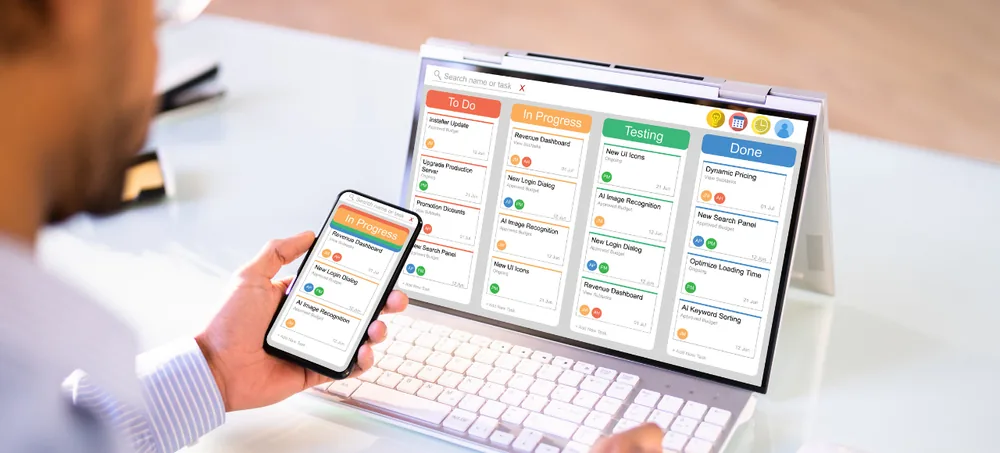
ERPLax Pressure Vessels ERP Software in Bangalore provides a configurable cloud ERP platform for organizing pressure vessel manufacturing and connecting related business operations. Pressure vessel manufacturing requires close coordination between engineering design, material procurement, fabrication, welding, machining, assembly, quality inspections and project delivery. Developed by EchoPx Technologies, ERPLax is a subscription-based SaaS ERP solution designed around centralized business management, configurable manufacturing workflows and business process automation. The platform can be evaluated for the requirements of companies manufacturing stainless steel pressure vessels, mild steel pressure vessels, high pressure vessels, industrial storage vessels and other fabricated pressure equipment, from customer enquiries and engineering BOMs to material planning, purchase approvals, fabrication work orders, inspection documentation, dispatch and financial reporting.
ERPLax is developed by EchoPx Technologies with an emphasis on configurable ERP workflows, integrated business processes and operational visibility. The suitability of ERPLax for a pressure vessel manufacturing company depends on the required functionality, manufacturing complexity, configuration, integration needs and agreed implementation scope.
Pressure vessel manufacturing is typically an engineering-intensive activity involving specialized materials, multiple fabrication processes and detailed production documentation. Unlike repetitive manufacturing of standard products, pressure vessel projects may vary in dimensions, material grades, pressure requirements, design specifications and inspection arrangements, making production coordination and reliable manufacturing records especially important.
Pressure vessels may contain cylindrical shells, dished ends, nozzles, flanges, supports, reinforcement components and other fabricated assemblies, and when engineering information is maintained across multiple files, procurement and production teams may have difficulty identifying the approved material requirements.
Vessel manufacturing commonly involves cutting, plate rolling, fit-up, welding, machining, assembly, inspection and surface finishing, and without structured production scheduling, workshop managers may struggle to coordinate equipment availability, fabrication priorities and pending work orders.
Pressure vessel manufacturers purchase materials with different grades, sizes, specifications and documentation requirements, and production can be affected when the required material is unavailable or does not match the approved specification.
A pressure vessel may be at different stages of fabrication across multiple departments, and when progress is reported informally, management may have an incomplete view of outstanding work.
Pressure vessel fabrication involves costs associated with raw materials, consumables, machining, labor, subcontracting, inspection and related expenses, and when these costs are maintained independently, calculating the actual expense of a particular project becomes difficult.
Pressure vessel projects may require material inspection, welding documentation, non-destructive examination, dimensional checks and pressure testing, and manual tracking of inspection references can make it difficult to establish which documents are available and which activities remain outstanding.
Manufacturing projects may require materials from several suppliers with different lead times and purchasing conditions, and without defined purchasing workflows, departments may find it difficult to track material requests and approval status.
Customer requirements or approved engineering designs may change after purchasing or fabrication has started, and such changes can affect material requirements, work order instructions, schedules and project expenses.
Pressure vessel manufacturers may outsource machining, forming, specialized fabrication or finishing activities, and without organized job work records, companies may struggle to monitor pending supplier activities, material movements and related expenses.
Manufacturing managers need information about production progress, material commitments, pending purchases, project expenses and customer order status, and when this information is spread across separate departmental systems, preparing consolidated reports may involve substantial manual effort.
ERPLax provides a cloud-only SaaS ERP platform that can be configured around the operational requirements of pressure vessel manufacturers, connecting customer orders, engineering material requirements, procurement, inventory, production, quality documentation and financial activities through related business records.
ERPLax can be configured to organize manufacturing information across sales, engineering, stores, purchasing, fabrication, quality administration and finance.
ERPLax configuration and development within the SaaS platform can be planned around documented requirements, including BOM approvals, purchase requests, fabrication work orders, inspection records and job costing.
Engineering defines material requirements, stores records stock, procurement coordinates purchases and production schedules fabrication work, with integrated ERP workflows establishing the relationships between these activities.
Repetitive administrative activities such as purchase authorization, engineering document review, material request approval and standard production status procedures can be assessed for structured workflow automation.
ERPLax operates as a subscription-based cloud ERP solution, with manufacturers able to evaluate the relevant functionality, users, configuration services, implementation requirements and subscription arrangements before adoption.
The following manufacturing capabilities describe ERP workflows that can be evaluated for configuration within ERPLax. Specialized fabrication, engineering and inspection functions should be confirmed during the requirements assessment and product demonstration.
A configurable ERP sales workflow can organize customer information, enquiry details, quotation versions, commercial values and approval status, with the approved sales order becoming the reference for subsequent manufacturing activities.
A configurable BOM workflow can organize approved item descriptions, grades, quantities, units and component relationships for shell plates, dished ends, nozzles, flanges, reinforcement pads, supports, fittings and fasteners.
An ERP planning workflow can organize manufacturing orders, planned operations, work centers, target dates and assigned responsibilities, helping managers review pending and completed tasks.
An ERP work order process can organize operation references, planned activities, assigned personnel and completion status for plate cutting, rolling, shell preparation, fit-up, welding, machining, nozzle installation and final assembly.
A configurable ERP inventory workflow can organize item masters, stock receipts, material issues, warehouse references and adjustments across carbon steel plates, stainless steel plates, pipes, forgings, fittings, fasteners and welding consumables.
An ERP procurement workflow can organize purchase requests, supplier quotations, authorization stages and purchase orders, with material transactions associated with the relevant supplier and inventory records after receipt.
A fabrication workflow can record operation status, assigned work orders and administrative completion information for cutting plate material, preparing edges, rolling plates, aligning components and welding operations.
An ERP workflow can be evaluated for organizing relevant welding document references, personnel qualification references, joint details and inspection documentation, with manufacturing status tracked alongside.
A job costing workflow may organize material estimates, recorded material issues, subcontracting charges and other production expenses, connecting applicable expense categories with individual vessel manufacturing orders.
A configurable quality administration workflow can organize inspection checkpoints, document references, responsible personnel and recorded status during material receipt, fabrication, assembly and testing.
An ERP documentation workflow can be configured to organize material test certificate references, inspection requests, planned NDT and pressure-testing activities, report references and review status.
An ERP subcontracting workflow can organize vendor work orders, material dispatch references, expected completion information and receipt transactions, with relevant costs associated with manufacturing projects.
A project workflow can organize approved orders, planned milestones, relevant departments, procurement commitments and recorded expenses, with managers reviewing information according to the configured reporting structure.
An ERP dispatch workflow can organize finished equipment references, dispatch instructions, delivery records and applicable invoice information, with required release procedures completed before dispatch.
An integrated ERP accounting workflow can organize receivables, payables, expense records and related financial information generated through customer orders, supplier purchases, production expenses and invoicing.
ERP reports can be planned around transaction information covering active customer orders, outstanding purchases, production progress, material availability, quality documentation and project costs.
An effective manufacturing ERP workflow connects the activities required to deliver a pressure vessel from initial enquiry through fabrication and final dispatch. The following example illustrates how pressure vessel manufacturers can organize these processes using configurable ERP records.
The sales team can organize customer details, equipment descriptions, material requirements, project references and delivery expectations, providing a consistent starting point for quotation preparation.
Commercial personnel coordinate the estimated cost and agreed scope with the relevant engineering and manufacturing teams, with a configurable approval workflow organizing quotation versions and authorized decisions.
After the customer accepts the commercial proposal, the sales order establishes the approved manufacturing scope, with relevant details associated with production, procurement and financial references.
Engineering personnel prepare or validate the materials and components required for the vessel, with the ERP process organizing relevant material descriptions and revision references.
Production planners identify the required manufacturing operations, with planned dates considering material readiness and available production resources.
The purchasing team reviews approved material requirements against recorded stock and outstanding supplier orders, generating purchase requests through the agreed workflow for authorization.
Purchased materials are recorded through appropriate receipt transactions, with inventory issues associated with the relevant work orders after any required incoming inspection.
Production teams carry out the approved manufacturing activities, with an ERP work order workflow recording operation progress and completion status.
Quality personnel coordinate the relevant inspection and testing documentation, with administrative records identifying outstanding reports and required review activities.
After the required manufacturing and release activities, dispatch personnel organize the equipment delivery records while the finance team processes applicable invoices, expenses and payment information.
Stainless steel pressure vessel manufacturing may involve specialized material grades, fabrication procedures and surface finishing requirements, with manufacturers needing to coordinate plate and pipe procurement, component preparation, welding, assembly and inspection documentation.
Organize stainless steel material grades, sizes and specifications for consistent identification across engineering and procurement.
Maintain approved BOM structures for shell plates, dished ends, nozzles, flanges, supports and fittings.
Coordinate plate and pipe procurement with supplier quotations, purchase orders and receipt transactions.
Organize component preparation, welding and assembly work orders relevant to the vessel's approved design.
Maintain relevant welding document references alongside assigned fabrication work orders.
Record internal inspection checkpoints and review status during fabrication and assembly.
Review material consumption and recorded expenses associated with each stainless steel vessel project.
Connect accepted stainless steel vessels with dispatch, delivery and invoicing records.
Material identification and certificate documentation can be considered during configuration where relevant to the manufacturing process.
Mild steel pressure vessel manufacturers may handle fabricated shells, dished ends, structural supports and other components, with production requirements including plate preparation, rolling, welding, assembly and surface treatment.
Maintain fabricated shells, dished ends, structural supports and other component records relevant to mild steel vessels.
Organize plate preparation, rolling, welding, assembly and surface treatment scheduling against target dates.
Track shell rolling and assembly status through the configured manufacturing workflow.
Coordinate material requirements with purchase requests and inventory issue transactions.
Maintain relevant welding and surface finishing operation references against manufacturing orders.
Organize outsourced machining, forming or finishing activities with the relevant supplier records.
Review material, fabrication and subcontracting expenses associated with each production order.
Connect approved customer orders with finished vessel dispatch and invoicing records.
For companies searching for MS pressure vessel inventory management or mild steel vessel fabrication ERP Bangalore, ERPLax can be evaluated against the actual production workflow.
High pressure vessel manufacturing can involve demanding engineering, fabrication, inspection and documentation requirements. An ERP workflow may support the administrative organization of material documents, manufacturing work orders, inspection requests and testing records, but its administrative role must remain distinct from engineering calculations, design verification, statutory inspection and certification.
Organize engineering specification and document references relevant to the vessel design.
Maintain approved material and component BOM structures for demanding engineering and fabrication requirements.
Record manufacturing operation references and completion status across fabrication stages.
Maintain material identification information and associated certificate references.
Organize inspection requests, planned activities, report references and review status.
Coordinate quality review activities relevant to each high pressure vessel project.
Review manufacturing expense and costing records associated with complex vessel manufacturing projects.
Organize dispatch readiness administration before release and delivery.
The applicable standards and regulatory obligations depend on vessel design, intended use, jurisdiction and customer specifications.
Pressure storage vessels may be manufactured for different industrial applications and storage requirements. Manufacturers must coordinate vessel dimensions, approved materials, fabricated assemblies and delivery specifications. Companies producing pressure storage tanks can also evaluate project management workflows for equipment manufacturing and dispatch.
Organize customer order details relevant to pressure storage vessel and tank requirements.
Maintain engineering BOM structures and fabrication planning references for storage vessel projects.
Coordinate raw material procurement with supplier records and inventory receipt transactions.
Record shell and end component manufacturing activities against the configured work order structure.
Organize nozzle and support assembly activities relevant to the storage vessel design.
Maintain inspection documentation references associated with each storage vessel project.
Review project expense reporting across material, fabrication and purchasing transactions.
Connect accepted storage equipment with dispatch, delivery and invoicing records.
ERPLax can also be evaluated for industrial pressure vessel manufacturers supplying equipment across chemical processing, pharmaceutical, utilities and food processing applications, combining common manufacturing processes with product-specific fields and workflow stages.
Bangalore has an established manufacturing and engineering ecosystem that includes industrial fabrication, machining, equipment assembly and component supply businesses. Pressure vessel manufacturers operating in the region may need coordinated processes for raw material procurement, fabrication work orders, quality documentation and customer project delivery.
Fabrication workshops and engineering manufacturers in Peenya can assess ERP workflows for BOM management, purchasing, raw material inventory, work orders and job costing.
Industrial equipment manufacturers in Bommasandra can evaluate production planning, fabrication activity recording, procurement and financial workflows.
Manufacturing companies in Jigani can assess connected processes for customer orders, material planning, fabrication and subcontracting.
Industrial manufacturers and suppliers operating in this corridor can evaluate ERP workflows for production administration, inventory and purchasing.
Fabrication businesses can assess manufacturing scheduling, raw material management, supplier coordination and project reporting.
Industrial businesses in these areas can evaluate centralized ERP processes for sales, production, procurement and financial management.
The appropriate configuration depends on each company's manufacturing processes and reporting requirements rather than its location alone.
Businesses researching pressure vessels ERP software in Bangalore often also search for pressure vessel ERP software Bangalore, pressure vessel manufacturing ERP Bangalore, pressure vessel management software Bangalore, pressure vessel manufacturing software Bangalore, pressure vessel production management software Bangalore, ERP for pressure vessel manufacturers Bangalore, industrial pressure vessel ERP Bangalore, cloud based pressure vessel ERP Bangalore, pressure vessel factory management software Bangalore and pressure vessels ERP solutions Bangalore - ERPLax can be evaluated for a connected, configurable approach across each of these requirements.
Many pressure vessel manufacturers also search for the best pressure vessel ERP software Bangalore, best pressure vessel manufacturing ERP Bangalore, custom pressure vessel ERP software Bangalore, pressure vessel ERP software development Bangalore, pressure vessel ERP implementation Bangalore, pressure vessel production planning software Bangalore, pressure vessel fabrication ERP software Bangalore, pressure vessel fabrication work order management Bangalore, stainless steel pressure vessel ERP Bangalore, mild steel pressure vessel ERP Bangalore, high pressure vessel manufacturing ERP Bangalore, pressure storage vessel manufacturing ERP Bangalore and industrial pressure vessel project management Bangalore - ERPLax is built to address each of these scenarios through configuration.
Day-to-day pressure vessel factory administration also depends on reliable records across pressure equipment manufacturing, fabrication ERP, engineering bill of materials, material requirements planning, manufacturing work orders, steel plate inventory, plate rolling, shell fabrication, welding operations, nozzle assembly, manufacturing traceability, material test certificates, inspection documentation, non-destructive testing coordination, pressure testing records, fabrication scheduling, subcontracting, project-based manufacturing, job costing, shop floor management, production capacity planning, supplier management, cloud manufacturing ERP, centralized business management and configurable ERP workflows - all addressed within the ERPLax cloud pressure vessels ERP platform.
Whether you are comparing pressure vessel ERP options across Bangalore, Bengaluru, Karnataka, Peenya Industrial Area, Bommasandra Industrial Area, Jigani Industrial Area, Electronic City, Hosur Road, Bidadi, Nelamangala, Doddaballapur, Whitefield or other industrial fabrication companies in Bangalore, the ERPLax team can walk through the relevant modules and configuration for your business.
Structured manufacturing workflows help production teams organize work orders, planned operations and target schedules.
Connecting approved BOM information with inventory and procurement records provides a clearer basis for reviewing material requirements.
Work order status information gives manufacturers a structured method for reviewing fabrication progress.
Job-wise expense records help businesses review material consumption, subcontracting and other manufacturing expenses.
ERP procurement workflows establish defined steps for purchase requests, quotation review and authorization, supporting more consistent supplier transaction records.
Administrative workflows can organize material certificate references, inspection reports and outstanding documentation requirements.
External job work can be associated with defined supplier orders, material movement records and expense information.
Integrated ERP workflows can reduce unnecessary duplication of records across engineering, purchasing, inventory, fabrication, quality and finance departments.
Centralized information can support reports about customer orders, manufacturing progress, procurement, inventory and expenses.
Manufacturers can assess approval routing, material requests and standardized transaction processing for automation.
A configurable platform can be evaluated for different manufacturing workflows across stainless steel, mild steel, high pressure and storage vessels.
Defined processes for sales, purchasing, production and finance help establish clearer responsibilities across the organization.
Can evaluate ERP workflows for engineering BOMs, procurement, fabrication, inspection documentation and project costs.
May require material identification, specialized BOM structures, fabrication records and inspection coordination.
Can assess production planning, raw material inventory, work orders, subcontracting and costing workflows.
May require detailed administrative records for engineering information, material documentation, fabrication stages and inspection coordination.
Can evaluate connected customer order management, fabrication planning, materials and dispatch processes.
May share pressure vessel ERP requirements involving project-based engineering and manufacturing.
Can assess material management, manufacturing documentation and project administration workflows.
Can use manufacturing ERP structures for work orders, purchasing and expense tracking across custom vessel components.
May require similar ERP processes for material planning, fabrication and quality documentation.
Can evaluate ERP workflows for customer-specific BOMs, production scheduling, procurement and job costing.
The best pressure vessel ERP software is the solution that meets the manufacturer's confirmed operational and commercial requirements. Before selecting a platform, businesses should evaluate several important considerations.
Determine whether the proposed configuration can represent the company's component structures, material specifications and approved revisions.
Review how work orders, operation stages, manufacturing responsibilities and target dates will be maintained.
Identify the necessary material classifications, stock locations, purchasing information and documentation references.
Establish which production and inspection records must be organized, confirming specialized traceability, documentation and integration capabilities rather than assuming they are included.
Determine how estimated costs, material consumption, subcontracting expenses and other financial records will be associated with manufacturing orders.
Review how purchase requests, supplier orders, material movements and outsourced work will be handled.
Assess required connections with accounting, engineering or other applications according to their available interfaces.
ERP pricing should be evaluated according to users, required functionality, configuration, integrations, training and implementation services.
Request a demonstration based on a realistic pressure vessel manufacturing order, identifying available functionality and any proposed configuration or development.
Selecting pressure vessel manufacturing ERP software requires examining how the platform supports engineering-intensive production and related business processes. ERPLax offers a configurable cloud ERP approach for evaluating these requirements.
ERPLax operates through a subscription-based cloud model, with businesses able to review relevant functionality, users, implementation requirements and commercial arrangements before adoption.
ERPLax configuration and development within the SaaS platform can be planned according to agreed requirements, reflecting different materials, fabrication procedures, approval structures and reporting methods.
The ERP approach connects customer orders, purchasing, inventory, production and finance through related records.
Pressure vessel manufacturers can evaluate ERP workflows around BOMs, work orders, material requirements and fabrication progress.
Approval procedures and standard administrative transactions can be assessed for automation according to business rules.
Manufacturing reports can be planned around recorded work order status, procurement, inventory and project expenses.
ERPLax is developed by EchoPx Technologies, with stated experience of 19+ years, 1500+ clients and 1700+ projects across broader company engagements.
ERPLax provides a platform for assessing the necessary configuration, additional development and integration requirements within the SaaS service model.
Pressure vessel manufacturers have different operational requirements depending on their products, fabrication methods and internal business procedures. ERPLax customization means configuration and development within the SaaS platform according to documented and agreed requirements.
Manufacturers can define relevant material categories, component relationships, item fields and BOM approval procedures reflecting engineering and procurement requirements.
Manufacturing workflows can be planned around cutting, rolling, welding, machining, assembly and other relevant operations reflecting actual work center procedures.
Additional item identification and documentation fields can be evaluated for material references, specifications and internal traceability needs.
The organization can define work order status, planned dates and manufacturing responsibilities, with specialized optimization requirements assessed separately.
Administrative workflows can be planned around inspection checkpoints, document references and review procedures without replacing engineering approval or certification requirements.
Manufacturers can identify the expense categories needed for estimating and monitoring fabrication costs with relevant finance and production personnel.
Purchase requests, engineering changes, commercial quotations and other administrative activities can follow defined authorization procedures.
Potential integration with design applications, accounting systems, reporting applications or other business software can be evaluated according to available interfaces and agreed technical scope.
An ERP implementation should begin with understanding the manufacturer's actual operating processes. The implementation scope should reflect the company's production methods, data structures and administrative responsibilities.
Review customer order processing, engineering BOM preparation, purchasing, inventory, fabrication, inspection documentation, costing and finance to identify disconnected information.
Document the necessary ERP workflows, approval responsibilities, reports and integration requirements, separating essential functions from additional development requests.
Review customers, suppliers, materials, product structures, BOMs, work centers, warehouses and financial references for consistency before migration.
Configure the approved workflows within the ERPLax platform, with additional development requirements assessed according to the agreed scope.
Test representative manufacturing scenarios, processing a custom pressure vessel order through quotation, BOM planning, material procurement, fabrication work orders and project costing.
Train sales, engineering, procurement, stores, production, quality administration and finance personnel relevant to their responsibilities.
Establish procedures for open customer orders, outstanding purchases, stock information and active manufacturing projects.
Review whether departments are maintaining appropriate records and following the configured processes after implementation, evaluating additional requirements as needed.
Implementation duration depends on project complexity, data readiness, customization, integrations and testing scope.
Pressure vessel ERP software is a manufacturing business management system used to organize activities such as customer orders, engineering material requirements, purchasing, inventory, fabrication work orders, project costing and financial reporting.
ERPLax can be configured around relevant processes involving sales, BOM management, procurement, inventory, fabrication planning, work orders and finance, with the appropriate configuration depending on the manufacturer's actual production and business requirements.
Yes. ERPLax is a cloud-only SaaS ERP platform operating through a subscription model.
Yes. ERPLax supports configuration and development within the SaaS platform according to agreed requirements, including manufacturing operation stages, approval workflows, material identification fields, project costing structures and reporting.
ERPLax can be evaluated for stainless steel vessel manufacturing workflows involving material requirements, purchasing, fabrication, inventory, inspection documentation and costing.
Mild steel vessel manufacturers can assess ERP workflows for plate inventory, fabrication operations, purchase management, production progress and financial reporting.
ERPLax can be evaluated for administrative workflows associated with high pressure vessel manufacturing, though engineering design verification, inspection, statutory approvals and certification remain subject to applicable technical and legal requirements.
ERPLax can be configured for relevant customer order, BOM, procurement, fabrication, inventory and job costing workflows, with specific requirements confirmed during a product assessment.
Pressure vessel production planning software organizes manufacturing orders, planned operations, production responsibilities and target dates, helping manufacturers record and review fabrication progress.
ERP workflows can be designed to organize work order references, assigned operations and completion status, with the required level of production detail established during implementation planning.
ERPLax inventory workflows can be evaluated for material item records, stock receipts, issues and adjustments, with specialized material identification and traceability requirements assessed separately.
A document administration workflow can be configured to organize material certificate references and associated manufacturing records, with specific document management and traceability capabilities confirmed during solution assessment.
Administrative inspection workflows can be evaluated for organizing inspection requests, document references and review status, supporting coordination without replacing physical inspections or authorized engineering approval.
ERP documentation workflows may be configured for relevant test report references and administrative status information, with actual testing and acceptance following the applicable technical procedures and authorized responsibilities.
A configurable job costing process can organize estimated and recorded expenses associated with manufacturing orders, with required cost categories and reporting methodology defined during implementation.
Purchase authorization is a configurable workflow that can be evaluated according to the manufacturer's approval procedures.
ERP subcontracting workflows can organize external work orders, supplier references, material movements and related expenses, with the exact transaction structure reflecting the manufacturer's outsourced processes.
Potential integrations can be assessed according to the applications involved, available interfaces and required data exchange, with technical feasibility confirmed before implementation.
Pricing depends on subscription scope, users, required functionality, implementation, customization, integrations and training. Manufacturers should request a quotation based on their actual requirements.
ERPLax can be evaluated by smaller fabrication businesses seeking to organize purchasing, inventory, work orders and costing, with suitability depending on functional requirements, available resources and commercial arrangements.
A connected ERP workflow can organize information across engineering, procurement, stores, fabrication, quality administration and finance, with relevant permissions and responsibilities defined during implementation.
ERPLax is positioned around configurable ERP workflows and business process automation, with potential applications including purchasing approvals, production status processes and standard administrative reviews.
Implementation duration depends on manufacturing complexity, master data readiness, functional scope, customization, integrations and testing, with a schedule established after the project requirements have been assessed.
ERPLax can be evaluated for workflows covering stainless steel vessels, mild steel vessels, high pressure equipment and industrial storage vessels, with the configuration reflecting product-specific manufacturing requirements.
No. ERP software can support administrative documentation and manufacturing coordination, but it does not independently establish compliance with engineering standards or regulatory requirements. Design, fabrication, testing, inspection and certification must follow the applicable standards and authorized procedures.
General manufacturing ERP covers common business processes such as purchasing, inventory, production and accounting, while pressure vessel ERP requirements may additionally involve project-specific engineering structures, fabrication operations, specialized material records, inspection coordination and job costing.
ERPLax provides a configurable SaaS ERP platform through which additional workflows can be assessed as requirements evolve, with specific capacity, user, transaction and service arrangements confirmed with the provider.
Useful examples include customer quotations, engineering BOMs, material lists, fabrication operation sequences, purchase procedures, inspection documentation requirements and job costing reports.
Start by documenting your manufacturing processes and important business requirements, evaluating production planning, BOM management, inventory, procurement, costing, documentation and integration needs, then request a demonstration using realistic manufacturing scenarios.
You can contact ERPLax through its website and share details about your vessel products, fabrication processes, material requirements and existing business challenges.
Pressure vessel manufacturing requires coordinated management of engineering information, materials, fabrication activities, inspection documentation, customer orders and project expenses. When these processes depend on disconnected records, manufacturers may face additional administrative work, inconsistent information and limited visibility into production progress. ERPLax Pressure Vessels ERP Software in Bangalore provides a configurable cloud ERP approach for organizing these processes through centralized business management and connected manufacturing workflows. Whether your company manufactures stainless steel pressure vessels, mild steel pressure vessels, high pressure vessels, pressure storage tanks or related industrial fabrication equipment, ERPLax can be evaluated against your actual manufacturing requirements.
Specialized Applications
Purpose-built & ready to deploy. Hover to explore, click to learn more.
Testimonials
Real stories from businesses running their operations on ERPLax.
ERPLax gave us real-time visibility into stock across three warehouses. Wastage dropped and our fulfillment time improved almost overnight.
GST e-invoicing used to eat up two days every month. With ERPLax's accounting module it's now automatic and our filings are always on time.
Billing at our stores used to take a minute per customer. ERPLax's POS module cut that to under 15 seconds, even during peak festival rush.
Payroll for 200+ employees across two branches used to take our HR team a full week. ERPLax's HRM module now runs it in a single afternoon.
Tracking batch numbers and expiry across our distribution network was a nightmare on spreadsheets. ERPLax's inventory module made it effortless.
Front desk, housekeeping and billing are now all on one screen. ERPLax's hotel management module has made check-in day a breeze for our staff.
Fee collection, attendance and report cards used to live in three different tools. ERPLax brought it all into one dashboard our staff actually enjoys using.
Tracking material costs and site progress across four active sites was chaos before ERPLax. Now our project managers update status from their phones daily.
Our online store orders now sync straight into inventory and accounting — no more manual entry, no more overselling out-of-stock items.
Our sales team can now see every lead's history and follow-ups in one place. Deal closures are faster and nothing falls through the cracks anymore.
ERPLax gave us real-time visibility into stock across three warehouses. Wastage dropped and our fulfillment time improved almost overnight.
GST e-invoicing used to eat up two days every month. With ERPLax's accounting module it's now automatic and our filings are always on time.
Billing at our stores used to take a minute per customer. ERPLax's POS module cut that to under 15 seconds, even during peak festival rush.
Payroll for 200+ employees across two branches used to take our HR team a full week. ERPLax's HRM module now runs it in a single afternoon.
Front desk, housekeeping and billing are now all on one screen. ERPLax's hotel management module has made check-in day a breeze for our staff.
Fee collection, attendance and report cards used to live in three different tools. ERPLax brought it all into one dashboard our staff actually enjoys using.
Tracking material costs and site progress across four active sites was chaos before ERPLax. Now our project managers update status from their phones daily.
Our online store orders now sync straight into inventory and accounting — no more manual entry, no more overselling out-of-stock items.
Our sales team can now see every lead's history and follow-ups in one place. Deal closures are faster and nothing falls through the cracks anymore.
